
Every Company Has a Fence

We teach kids how to read.
We assume they’ll figure out how to belong.
Years ago, I was the vice principal of an elementary school with a little over 600 students. Most days, you'd find me in the lunchroom or out on the playground trying to master double dutch or four squares.
But even in the middle of all that noise and chaos, my attention was usually pulled somewhere else.
There were almost always a few kids standing by themselves against the fence.
I learned that it wasn’t that they wanted to be alone.
But it was because they didn’t know how to walk up and say, “Can I play?” or how to make a friend or how to resolve a conflict. After speaking to them over time, it was pretty clear to me that they didn’t know what to do when they felt left out or where they just “fit”.
It always bothered me.
We taught reading.
We taught math.
We taught science.
But we didn’t teach kids how to build relationships, navigate conflict, or create a sense of belonging. We assumed those skills would simply emerge on their own after we sent them out to play.
But they often didn’t.
Fast forward forty years. I don’t spend my days with third graders anymore. I spend them with leadership teams.
The playground has changed, but the human challenge hasn’t.
Now the fence looks different.
It’s the new hire who doesn’t know how to speak up in a meeting or the manager who avoids hard conversations because they don't have the courage to address them. And, sometimes it’s the leadership team that smiles together in public but disagrees in private because they don’t know how to work through conflict without working against each other.
In the past, I’ve helped organizations invest millions on strategy, technology, AI, and process improvements. And, I’m glad I did.
But what I’ve come to believe is that underneath every metric, every dashboard, and every KPI, there’s something much more fundamental holding everything up.
Trust.
Connection.
Psychological safety.
The courage to speak honestly.
The humility to listen.
The ability to stay in the room when conversations get uncomfortable.
We still call these “soft skills.”
That may be one of the most expensive labeling mistakes we’ve ever made.
These are the human systems underneath performance.
Without them, we can have the best strategy in the world and still struggle to execute. We can have cutting edge tools and still have teams that don’t share information. We can hire A players who never fully contribute because they don’t feel safe enough to be honest.
Technology will continue to transform how we work, but it will never change what it means to work well together. By focusing on trust, connection, alignment, and the human systems underlying growth we can foster a culture of performance.
Every company has a fence and leadership begins the moment we stop assuming everyone knows what to do and how to do it.
It’s a leadership responsibility to treat trust and psychological safety as real work instead of “nice to haves.”
When we realize performance isn’t just about what we build. It’s about how we build it.
Maybe the greatest responsibility of leadership is making sure fewer people spend their careers
standing alone against the fence.
The most human company wins.
That’s the Human Side of Growth.
Originally published 7/8/2026 on LinkedIn.
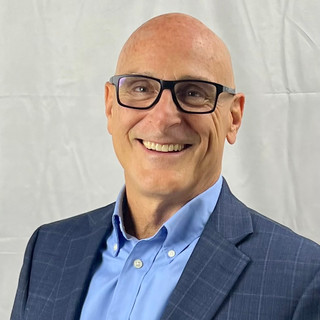
About Thomas: I've spent decades studying organizations, first as an educational psychologist and later as an executive leader and advisor. The biggest lesson? Strategy doesn't determine performance nearly as much as the human systems underneath it. Through YSC Advisory, I help leaders strengthen trust, alignment, accountability, and performance because the most human company wins. Learn more at yscadvisory.com or connect with me on LinkedIn.


Comments